GPT Image 2: Is OpenAI's New AI Image Generator Worth It?
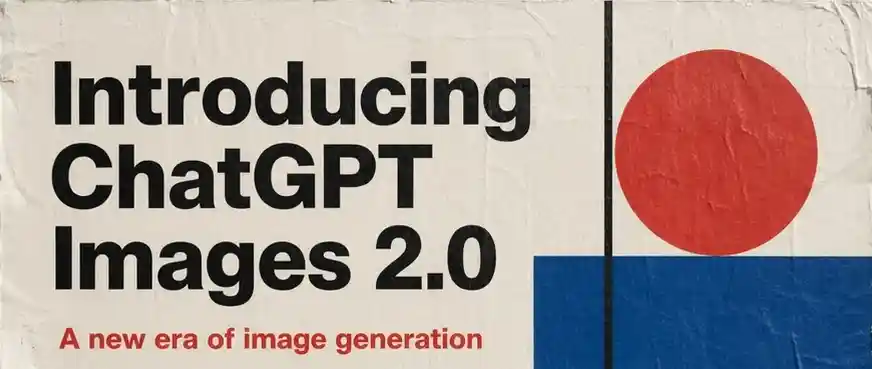
OpenAI has released GPT Image 2, its latest AI image generation model, now integrated directly into ChatGPT. The launch marks a significant moment in the AI image generation space, introducing a tool that goes far beyond simple text-to-image output. From character consistency and style references to real-time data integration and graphic design applications, GPT Image 2 arrives as a serious contender in a crowded and rapidly evolving market.
But being a serious contender does not automatically make it the right tool for every creator. Questions around cost, speed, and workflow compatibility are just as important as raw image quality. This article takes a high-level look at what GPT Image 2 brings to the table, how it compares to the competition, and where it genuinely excels.
What Is GPT Image 2?
GPT Image 2 is OpenAI's new image generation model, accessible through ChatGPT's thinking mode as well as through a growing number of AI aggregator platforms. It supports a wide range of creative tasks, including text-to-image generation, character swapping, consistent style application, PDF references, real-time web data integration, and quick graphic design projects.
For those who already use ChatGPT regularly, the model represents a natural extension of the platform's capabilities. For those who prefer working through aggregators, platforms like Freepik and Open Art offer access to the model alongside other leading tools, making it straightforward to compare results across generators.
A New Standard for Image Quality
Photorealism That Feels Authentic
One of the most immediately noticeable qualities of GPT Image 2 is the naturalistic feel of its output. Rather than producing images that look polished to the point of feeling synthetic, GPT Image 2 tends to generate results that carry a sense of genuine authenticity. In tests involving scene recreation, the model captured environmental details, period-appropriate aesthetics, and atmospheric qualities that are difficult to achieve with many competing tools.
This ability to create images that feel observed rather than manufactured gives GPT Image 2 a real edge for filmmakers, concept artists, and visual storytellers who need their generated images to hold up to scrutiny.
Text Accuracy and Fine Detail
Text rendering has long been a weak spot for AI image generators. GPT Image 2 addresses this with notable precision. When tasked with creating an image of a clock set to a specific time, the result was highly accurate, a challenge that many comparable tools still struggle with. The same precision extended to more complex tasks, such as generating a fictional restaurant menu with realistic pricing and layout, where GPT Image 2 produced a result that felt genuinely designed rather than algorithmically assembled.
Character Consistency as a Core Strength
Perhaps the most significant capability GPT Image 2 brings to creative workflows is its handling of character consistency. When provided with a reference image of a person, the model retains likeness with impressive fidelity while adapting the scene, background, or context according to the prompt. Subtle details, such as the correct placement of clothing elements, are preserved in ways that suggest a more intelligent interpretation of the reference material.
For storytellers and filmmakers working with recurring characters across multiple images, this level of consistency is genuinely useful and represents a meaningful advantage over many competing tools.
Real-Time Data Integration
GPT Image 2 demonstrated an ability to pull live information from the web to inform its image output. When prompted to generate a chart showing stock market performance for major technology companies, it produced an accurate result without any data being manually provided. This suggests a real integration with current information rather than a reliance solely on training data.
While other AI models, notably Grok from xAI, are still considered stronger for real-time information retrieval overall, this capability marks a meaningful step forward for tools integrated into platforms like ChatGPT and Gemini as they become increasingly connected to live data sources.
GPT Image 2 vs. Google's AI Image Generator
Across a broad range of test prompts, GPT Image 2 was compared directly against a competing Google AI image generator. The results were consistent enough to draw some clear conclusions, though neither tool dominated across every category.
Where GPT Image 2 Leads
GPT Image 2 outperformed the competing tool in several key areas. Character likeness and retention were noticeably stronger, as was the model's ability to follow complex, specific prompts. In creative tasks such as movie poster generation, multi-panel comic book layouts, and detailed product visuals, GPT Image 2 produced results that felt more considered and visually sophisticated. Its handling of lighting and compositing within complex scenes also stood out, contributing to images that felt more internally coherent.
When a style reference image was provided alongside a character reference, GPT Image 2 successfully captured both the subject's likeness and the color grading and cinematic qualities of the style image, producing a result that required minimal post-processing.
Where the Competition Holds Its Ground
The competing Google image generator was not without advantages. Background rendering was notably stronger in several comparisons, producing more convincing natural environments where GPT Image 2 sometimes introduced visible AI artifacts. For scenes where the setting takes priority over character accuracy, the competing tool may still deliver better results.
The comparison also highlighted that neither tool is ideal for every scenario. A practical workflow might involve using GPT Image 2 for character placement and consistency, while relying on another tool to generate high-quality backgrounds, with the two results composited in post-production.
It is also worth noting that when tested against Midjourney using the same cinematic prompt without a style reference, Midjourney produced a clearly superior result. This underlines an important point: GPT Image 2 benefits significantly from being given clear visual references. Without them, its raw cinematic output does not yet match the best results achievable with dedicated image tools.
The Price of Quality
GPT Image 2 is among the more expensive AI image generators currently available. Generating a high-resolution image in high-quality mode costs approximately four times more than a comparable generation on the competing Google tool. Medium-quality mode reduces the cost to something more comparable with alternatives, but the premium for top-tier output is significant.
For creators generating images occasionally or working on projects where precision matters more than volume, the cost is justified. For those who need to produce large numbers of images as part of a rapid iteration workflow, the expense will add up quickly and may make GPT Image 2 impractical as a primary tool.
Speed and Volume Considerations
Alongside cost, generation speed is a genuine limitation of GPT Image 2 in its current form. The model typically handles one image at a time, with individual generations taking a minute or more depending on complexity. For creators accustomed to generating multiple images simultaneously and selecting the best from a batch, this represents a significant workflow constraint.
Much of the value in working with AI image tools comes from the ability to produce variations quickly, review them, and iterate. A tool that slows this loop down substantially changes the creative dynamic, and for production environments where speed matters, the generation pace of GPT Image 2 is a real consideration.
Where GPT Image 2 Fits in a Creative Workflow
When to Reach for GPT Image 2
GPT Image 2 is at its best when a creative challenge demands precision. Projects that rely on consistent character representation, detailed text within images, complex compositional prompts, or real-time information integration are where the model earns its premium. For solving specific problems that other tools struggle with, particularly around character accuracy and prompt adherence, it is currently one of the most capable options available.
When Alternatives Are the Better Choice
For high-volume workflows, fast iteration, or scenes where background quality takes priority, faster and more affordable tools will remain the practical choice for many creators. Midjourney continues to offer stronger cinematic quality for prompts that do not include style references, and competing tools that allow batch generation provide a workflow efficiency that is hard to match.
The most effective approach for many creators will be to treat GPT Image 2 as a specialist tool, one that is brought in for precision tasks while faster alternatives handle the broader volume of daily generation work.
Final Thoughts
GPT Image 2 is a genuine leap forward in AI image generation. Its character consistency, prompt adherence, text accuracy, and compositional intelligence put it ahead of the competition in several meaningful areas. For the specific challenges it excels at, it is hard to argue against it being the best available option.
The tradeoffs around cost and speed are real, however, and they will determine how central a role it plays in any given workflow. OpenAI has built something impressive with GPT Image 2, but the most honest assessment is that it earns its place as a precision instrument rather than an everyday workhorse. Understanding where it fits, and where it does not, is the key to getting the most from it.