Netflix Acquires Ben Affleck's AI Filmmaking Startup InterPositive
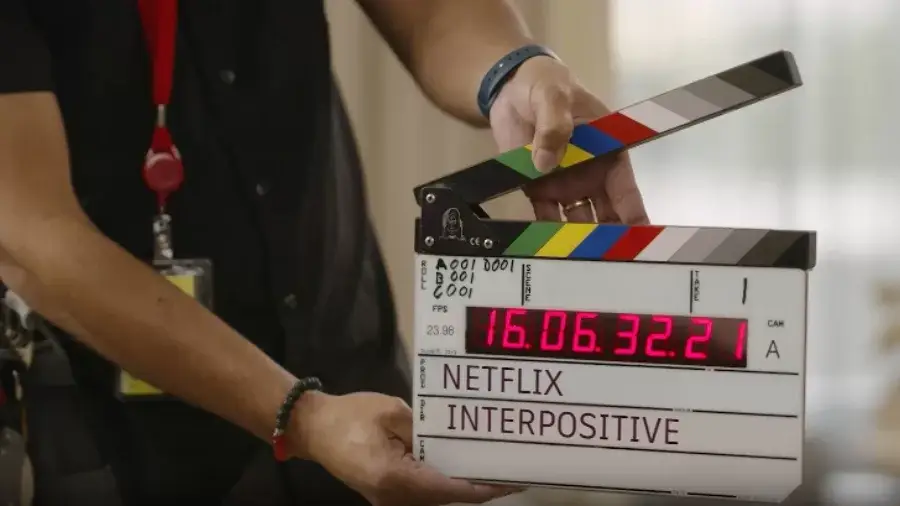
The deal is a calculated move by Netflix to embed a filmmaker-first AI philosophy into its content infrastructure, at a moment when the company faces intense scrutiny over both its pursuit of Warner Bros. Discovery and its broader posture toward the creative community.
What InterPositive Actually Built
InterPositive's core technology is not a generative AI system in the conventional sense. Rather than training on broad, scraped datasets, it builds bespoke models from a filmmaker's own production material, shot on a controlled soundstage, to learn the specific visual vocabulary of a given film. The model is then deployed in post-production to solve concrete problems: missing shots, lighting inconsistencies, background replacements, wire removal from stunts, and reframing.
Affleck described the distinction explicitly: "A lot of people mostly think of AI as making something from nothing. I'm going to type something into a computer and it's going to give me a movie. That's not what this is." The system is trained on a production's own dailies, which means its outputs are constrained to, and consistent with, what was actually filmed. "It can only understand this and only build this tool because it's trained on the character that the actor has already built," Affleck explained.
This architecture has significant implications for how the technology interacts with existing labor frameworks. InterPositive's tools include explicit protections against performance-capture applications, one of the more contentious AI use cases in recent guild disputes, and were designed to keep creative decision-making with the filmmaker rather than automating it away. The question now is whether those design constraints survive integration into a global streaming operation at scale.
The Strategic Context
The acquisition lands during an unusually complicated period for Netflix. The company is under a DOJ antitrust review of its proposed Warner Bros. Discovery acquisition, which has included a civil subpoena to at least one other entertainment company asking it to describe potential exclusionary conduct by Netflix. The creative community has been vocal in its skepticism about whether a company consolidating that much content infrastructure, catalog IP, and distribution capability can genuinely position itself as a partner to independent artists.
Against that backdrop, the InterPositive deal functions as a deliberate counter-signal. Netflix Chief Product and Technology Officer Elizabeth Stone framed the acquisition around a principle that has become central to the company's public messaging during the review period: "innovation should empower storytellers, not replace them." Affleck, who carries genuine credibility with the filmmaking community, offered his own read on why Netflix was the right home for the technology: "I got exposed to everybody in the tech community, and there are a lot of competing philosophies about how it should be done... A lot of times I heard people saying, how do we get the human out of the loop? What Netflix does, and what the film community here does broadly, is say, we actually care about this whole ecosystem."
Stone echoed this: "It's not new to Netflix to work with ML and AI for a long time, but always in service of responsible use of technology versus technology for technology's sake."
Why Affleck Built This
Affleck founded InterPositive in 2022 after encountering early generative video tools and coming away unsettled, not because the technology was impressive, but because it was impressive in ways that revealed a fundamental gap. "What I was really shocked by was how there was this really deep engineering, math, science level of expertise associated with creating this, but no artistic, no filmmaker information whatsoever," he said. He saw a technology developing outside the ecosystem of the people who would ultimately need to use it, and decided to close that gap from the inside.
The use case he returns to is not about efficiency or cost reduction. It's about creative access: "I want to take out all the logistical, difficult technical stuff that often gets in the way. You can use your own model to remove the wires on stunts, reframe a shot, get a shot you missed, shape the lighting, enhance the backgrounds." The framing is less about doing more with less, and more about giving filmmakers more control over what they've already built.
The Open Question
What Netflix has done here is attach a filmmaker's name and philosophy to its AI strategy at a moment when the industry is paying close attention. Affleck's credibility with the creative community is real, and the technical architecture InterPositive built reflects a coherent set of values about where human judgment should sit in the production pipeline.
But credibility and architecture are both tested at scale. Maintaining the constraints that make InterPositive's approach distinct, filmmaker control, explicit limits on performance capture, a model that serves rather than replaces, inside a company consolidating this much market power is a different engineering and governance challenge than building them in a controlled environment. The InterPositive acquisition raises the question clearly. Whether Netflix answers it depends on what it does next.