Mesh2Motion: Free 3D Animation for Web and Game Engines
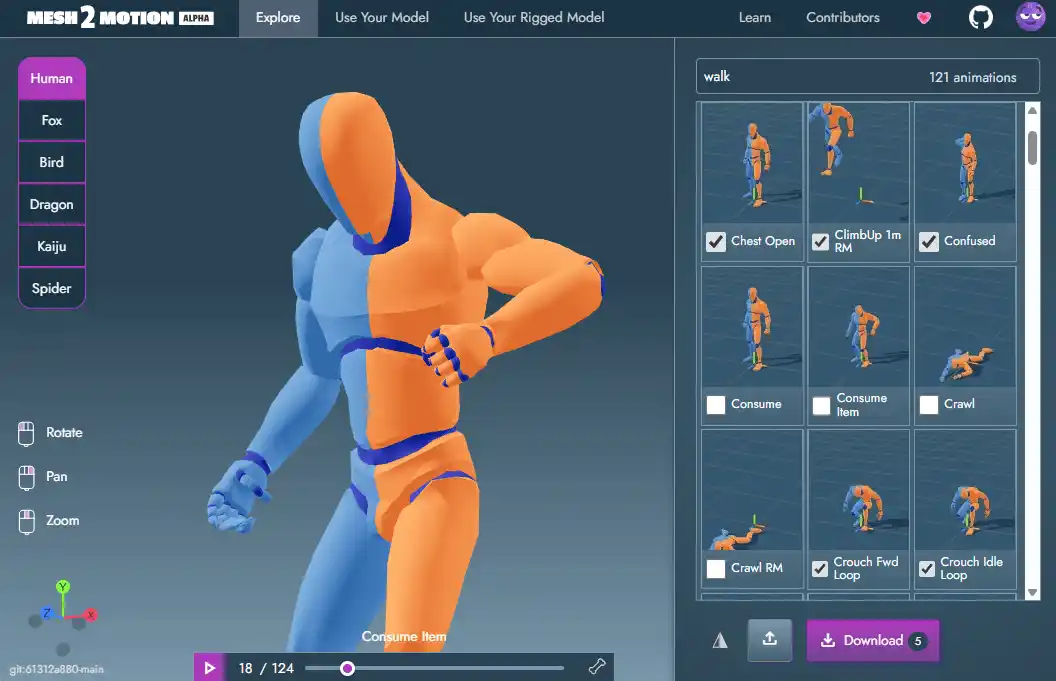
Scott Petrovic has released version 10 of Mesh2Motion, and the update marks a significant step forward for this quietly impressive project. Originally launched in late 2023 as a personal experiment, Mesh2Motion has grown into a genuinely useful tool for anyone working with 3D characters in web projects or game engines. It runs entirely in the browser, costs nothing, and is fully open source.
What Is Mesh2Motion?
Mesh2Motion is a browser-based 3D animation platform designed to make character animation accessible without the complexity or cost of traditional software. It handles rigging, skinning, and animation for a variety of character types, from humans to dragons, and everything it produces is free to use for personal or commercial projects.
The tool was built as an open alternative to platforms like Mixamo, which have long been closed-source and beyond community reach. Mesh2Motion aims to fill that space with something anyone can study, fork, and build upon.
What Version 10 Brings to the Table
The latest release expands both the animation library and the range of supported character types considerably. It is the most complete version of Mesh2Motion to date.
A Library of Over 150 Animations
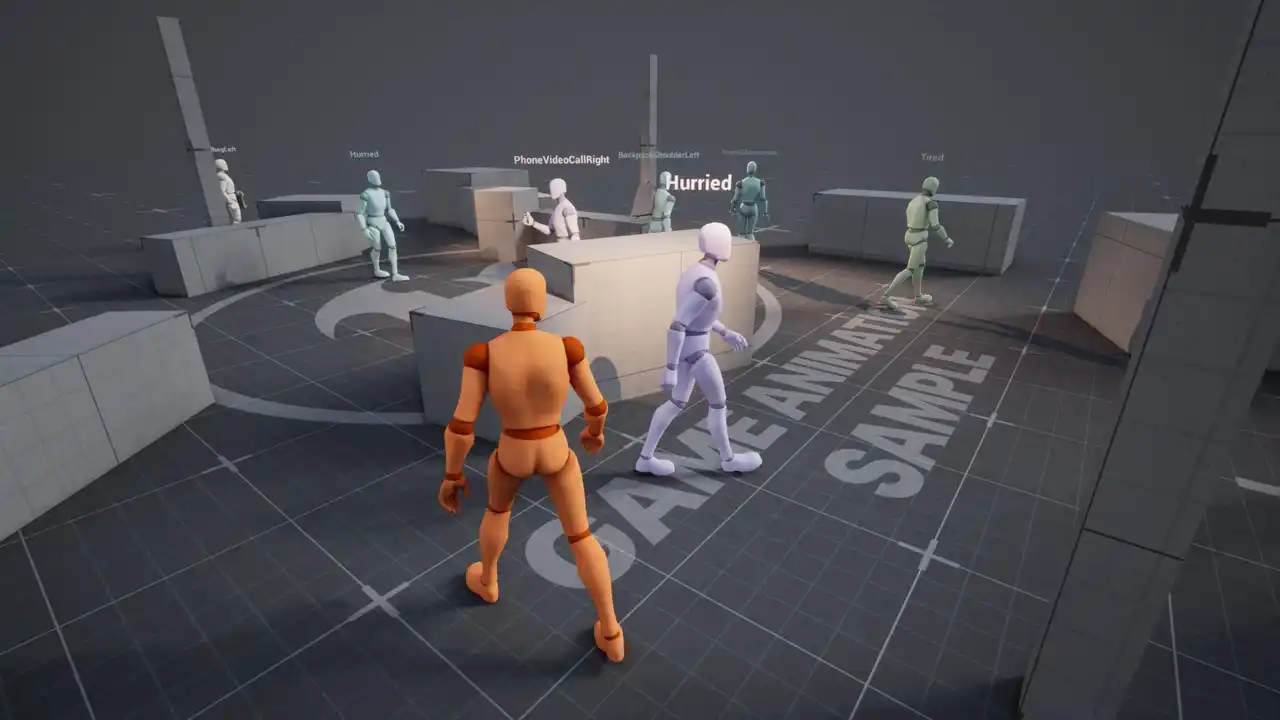
Version 10 includes over 150 animations available to browse and download. The range is wide: from idle stances and walk cycles to more specific actions like planting seeds, watering, driving loops, high chest impacts, being knocked back, shield idles, jumping jacks, fighting hooks, and ninja jumps. The breadth of the library makes it useful across a variety of project types, whether for games, interactive web experiences, or 3D previsualization.
All animations are free to download and licensed under CC0, meaning there are no restrictions on how they are used.
A Wide Range of Character Types
Mesh2Motion does not limit itself to human characters. The current release includes animation rigs for several distinct categories.
Human Characters
The human rig remains the most extensive, with the largest animation set in the library. It covers everything from basic locomotion to expressive actions.
Creatures and Fantasy Characters
Beyond humans, the tool supports foxes, birds, dragons, kaiju, spiders, and snakes. Each character type comes with its own dedicated animation set, tailored to its movement style and body structure. A dragon, for example, is a four-legged creature with wings, and its animations reflect that. A snake or slithery character has a completely different motion set suited to that body type. This variety makes Mesh2Motion genuinely useful for game developers and animators working outside the standard humanoid character space.
Three Ways to Put It to Work
Mesh2Motion offers three distinct entry points depending on what you are starting with.
Explore and Download Ready-Made Animations
The explore page lets you browse the full animation library and preview each animation on a sample model before downloading. You can select multiple animations at once and export them together, which is efficient when building out a character for a game or interactive project. Skeleton visibility can be toggled, and a search function makes it easy to find specific motion types.
Upload and Auto-Rig Your Own Model
For creators who have their own 3D models, Mesh2Motion includes an auto-rigging feature. The tool accepts models in GLB, GLTF, DAE, and FBX formats. Once a model is uploaded, the appropriate skeleton type can be selected, and the tool positions the rig to fit the character. Adjustments can be made manually, and a full undo and redo history means experimentation is low-risk. This workflow makes it possible to apply any animation from the library to a custom character relatively quickly.
Work with a Pre-Rigged Model
For users who already have a fully rigged and skinned model, Mesh2Motion supports retargeting. Bones from an existing rig can be mapped to the Mesh2Motion skeleton, either manually or using an automatic mapping option. This allows the animation library to be applied to characters that were originally built for other pipelines.
Export and Integration
All animations are exported as GLB files, a format with broad support across game engines, Three.js, Babylon.js, and most modern 3D pipelines. Multiple animations can be bundled into a single file, which simplifies asset management considerably. The exported files can also be brought directly into Blender for further work or retargeting within that environment.
All source Blender files are publicly available on GitHub, so the animations can be studied, modified, or extended by anyone. Some of the human animations are sourced from Quaternius, a well-regarded contributor to the open 3D asset ecosystem.
Open Source with Full Transparency
Mesh2Motion takes a clear position on AI. The 3D models are hand-crafted, the animations are hand-keyed, and the rigs are built manually by Scott Petrovic. When the application runs in your browser, there are no language models involved, no API calls to external services, and no data processing or training happening in the background. The tool relies entirely on standard JavaScript and TypeScript.
The project code is released under the MIT License, and the animation assets are licensed under CC0, making everything freely available for both personal and commercial use.
The Story Behind the Project
Scott Petrovic began working on Mesh2Motion in late 2023, initially as a way to deepen his understanding of 3D web technologies, including skeleton systems, rigging, skinning, and animation. Development has continued on nights and weekends, with the goal of providing a free and accessible way to animate 3D models for web and game engines. The vision is for everything to remain freely available, and for anyone to be able to study the source files and build on top of what exists.
Version 10 is a clear sign that the project is gaining momentum, and what started as a personal experiment has matured into a genuinely useful tool for the broader creative and developer community.
Explore Mesh2Motion
Mesh2Motion is available now, directly in your browser, with no subscription and no installation required.
Useful Links
Official Website: https://mesh2motion.org/
Launch the Application: https://app.mesh2motion.org
GitHub Repository: https://github.com/Mesh2Motion/
Support the Project: https://support.mesh2motion.org